In order to measure alcohols it is used the alcohol by volume or ABV, which is the standard measure of how much ethanol is contained in a certain volume of an alcoholic drink. The bigger the percentage of alcohol in volume, the more toxic it will be.
With this said, some of the consequences of consuming too much alcohol to the human body will be explained: many of the alcoholic drinks have ethyl alcohol; which in addition of the amount that the drinker has, may lead to a blood alcohol concentration or BAC, which is generally expressed as the percentage of ethanol in blood in alcohol/volume. This are some of the consequences that may be caused in relation with the percentage of alcohol in blood:
0.03%-0.12%: causes an minimal improvement of the mood and euphoria, increases self-confidence and sociability, decreases anxiety, a sense of heat in the face and impaires judgment and fine muscle coordination.
0.09% to 0.25%: causes lethargy, sedation, balance problems and blurred vision.
0.18% to 0.30% causes confusion, strange speeches, dizziness and vomits.
0.25% to 0.40% causes unconsciousness and slightly respiratory depression.
0.35% to 0.80% causes life-threatening respiratory depression and fatal alcohol poisoning.
Wine

ABV
The most frequent and more known wines have aproximately from 5-10% ABV, but depending on the type, the brand and the fermentation, it may rise until 21% ABV.
Production:
The grapes are collected in bins or lugs and then transported to the crushing pad. The grapes are either cut from the vine by human hands with shears or they are removed by a machine. No matter how or when the grapes were picked, they all get crushed in some fashion in the next step. The destemmer, which is a piece of winemaking machinery that does exactly what it says, removes the stems from the clusters and lightly crushes the grapes. For white wine, once crushed, the white grapes are transferred into a press, which is another piece of winemaking equipment that is literal to its name. All of the grapes are pressed to extract the juice and leave behind the grape skins. The pure juice is then transferred into tanks where sediment settles to the bottom of the tank. After a settling period, the juice is then “racked”, which means it’s filtered out of the settling tank into another tank to insure all the sediment is gone before fermentation starts. For red wine, grapes are also commonly destemmed and lightly crushed. The difference is that these grapes, along with their skins, go straight into a vat to start fermentation on their skins. This is what imparts the red color into red wine, otherwise, red grapes would also make a white wine. Yeast is added to the vats so that fermentation can take place. Carbon dioxide is released during fermentation which causes the grape skins to rise to the surface. Winemakers must punch down or pump over the “cap” several times a day to keep the skins in contact with the juice. The grapes are pressed after fermentation is complete. After racking to clarify the wine, the reds will spend several months aging in barrels.
Vodka
ABV
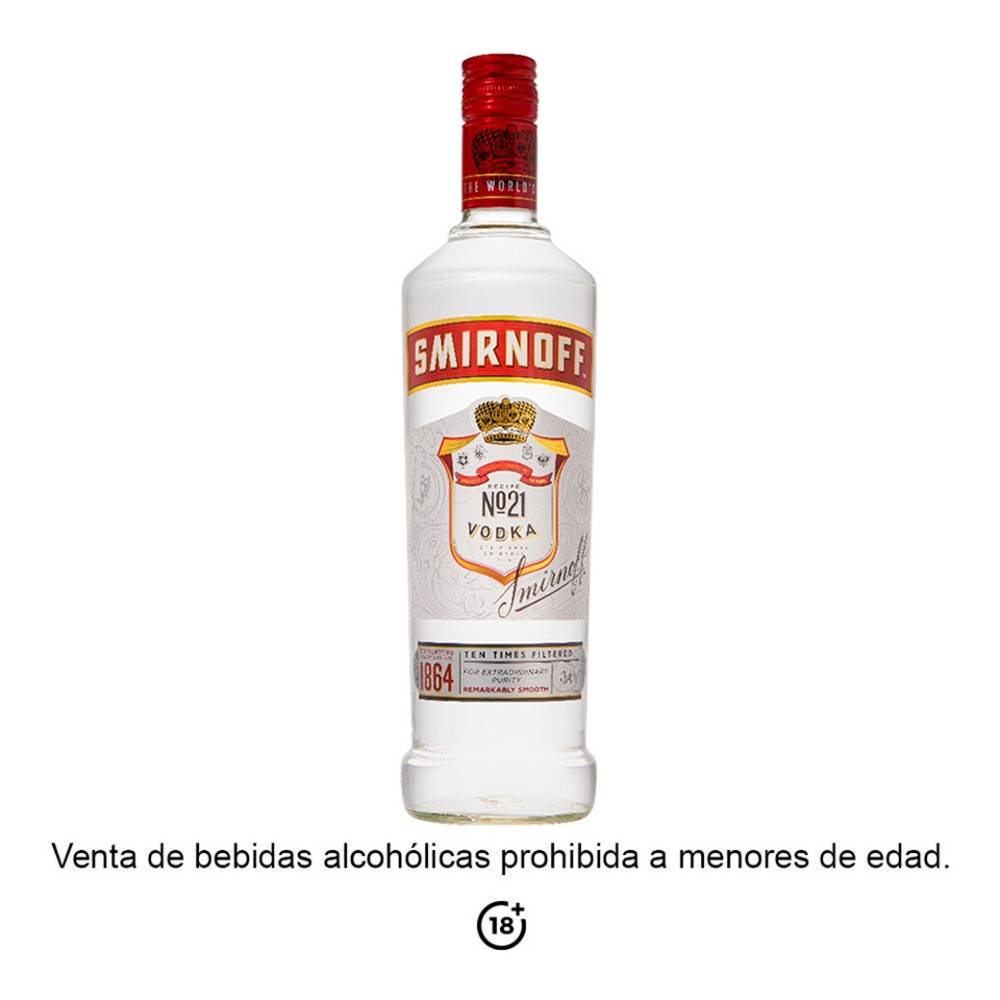
The standard Polish, Russian, Ukrainian, and Czech vodkas are aproximately 40% ABV. The European Union has established a minimum of 37.5% ABV for any "European vodka". Products sold as "vodka" in the United States must have a minimum alcohol content of 40%.
Beer is made with four ingredients: barley, water, hops and yeast. The main idea is to extract the sugar from grains like barley and then the yeast can turn it into alcohol and CO2, creating beer. The brewing process begins with grains. The grains are harvested and processed through a process of heating, drying out and cracking. The main aim is isolating the enzymes needed for brewing so that it’s ready for the next step. Then, the grains are steeped in hot water for an hour activating enzymes in the grains that cause it to break down and release its sugars. Once it's done the water is drained from the mash which is now full of sugar from the grains. The wort is boiled for another hour while hops and other spices are added several times. Once the hour long boil is over the wort is cooled, strained and filtered. Afterwards, it is put in a fermenting vessel and yeast is added to it. At this point the brewing is complete and the fermentation begins. The beer is stored for a couple of weeks at room temperature or many weeks at cold temperatures while the yeast works its fermentation. The yeast eats up all that sugar in the wort and liberates CO2 and alcohol as waste products.
Vodka
ABV
The standard Polish, Russian, Ukrainian, and Czech vodkas are aproximately 40% ABV. The European Union has established a minimum of 37.5% ABV for any "European vodka". Products sold as "vodka" in the United States must have a minimum alcohol content of 40%.
Production
Vodka has to be distilled from any starch or sugar-rich plant matter; most vodka nowadays are produced from grains such as corn or wheat. Among grain vodkas, wheat vodkas are generally considered better. Some vodkas are made from potatoes, grapes, rice and even sugar beets.
The master distiller is in charge of distilling the vodka and directing its filtration, including the removal of "foreshots", "heads" and "tails". Those components contain flavor compounds such as ethyl acetate and ethyl lactate known as heads, as well as the fusel oils, known as tails, which generates the taste of vodka. Through lots of rounds of destillation and the use of a fractionating still, the taste is modified and a variety is made.

The master distiller is in charge of distilling the vodka and directing its filtration, including the removal of "foreshots", "heads" and "tails". Those components contain flavor compounds such as ethyl acetate and ethyl lactate known as heads, as well as the fusel oils, known as tails, which generates the taste of vodka. Through lots of rounds of destillation and the use of a fractionating still, the taste is modified and a variety is made.
Rum

ABV
There is no standard for rum ABV, as there's no regulation in different regions. For example, in the case of some countries in South America, it is required that rums contains at least 50% ABV, while in others, only 40% ABV.
ABV
There is no standard for rum ABV, as there's no regulation in different regions. For example, in the case of some countries in South America, it is required that rums contains at least 50% ABV, while in others, only 40% ABV.
Production
Most rums are produced from molasses, which are made from sugarcanes. Yeast and water are added next to the base ingredient to begin a fermentation process. Distillers who make lighter rums, such as Bacardi, prefer using faster-working yeasts. Use of slower-working yeasts causes more esters to accumulate during the process of fermentation, allowing for a full-tasting rum. Fermentation products like 2-ethyl-3-methyl butyric acid and esters like ethyl butanoate and ethyl hexanoate rise the sweetness of rum.
Most rums are produced from molasses, which are made from sugarcanes. Yeast and water are added next to the base ingredient to begin a fermentation process. Distillers who make lighter rums, such as Bacardi, prefer using faster-working yeasts. Use of slower-working yeasts causes more esters to accumulate during the process of fermentation, allowing for a full-tasting rum. Fermentation products like 2-ethyl-3-methyl butyric acid and esters like ethyl butanoate and ethyl hexanoate rise the sweetness of rum.
Beer

ABV
Modern beer is generally around 4% to 6% ABV, anyway, it may vary between 0.5% and 20%.
Production
ABV
Modern beer is generally around 4% to 6% ABV, anyway, it may vary between 0.5% and 20%.
Production
Beer is made with four ingredients: barley, water, hops and yeast. The main idea is to extract the sugar from grains like barley and then the yeast can turn it into alcohol and CO2, creating beer. The brewing process begins with grains. The grains are harvested and processed through a process of heating, drying out and cracking. The main aim is isolating the enzymes needed for brewing so that it’s ready for the next step. Then, the grains are steeped in hot water for an hour activating enzymes in the grains that cause it to break down and release its sugars. Once it's done the water is drained from the mash which is now full of sugar from the grains. The wort is boiled for another hour while hops and other spices are added several times. Once the hour long boil is over the wort is cooled, strained and filtered. Afterwards, it is put in a fermenting vessel and yeast is added to it. At this point the brewing is complete and the fermentation begins. The beer is stored for a couple of weeks at room temperature or many weeks at cold temperatures while the yeast works its fermentation. The yeast eats up all that sugar in the wort and liberates CO2 and alcohol as waste products.


 Curva de Koch
 Obra de William Latham
 Obra de Greg Sams
 Obra de Vicky Brago-Mitchell
 Mándala tribal